
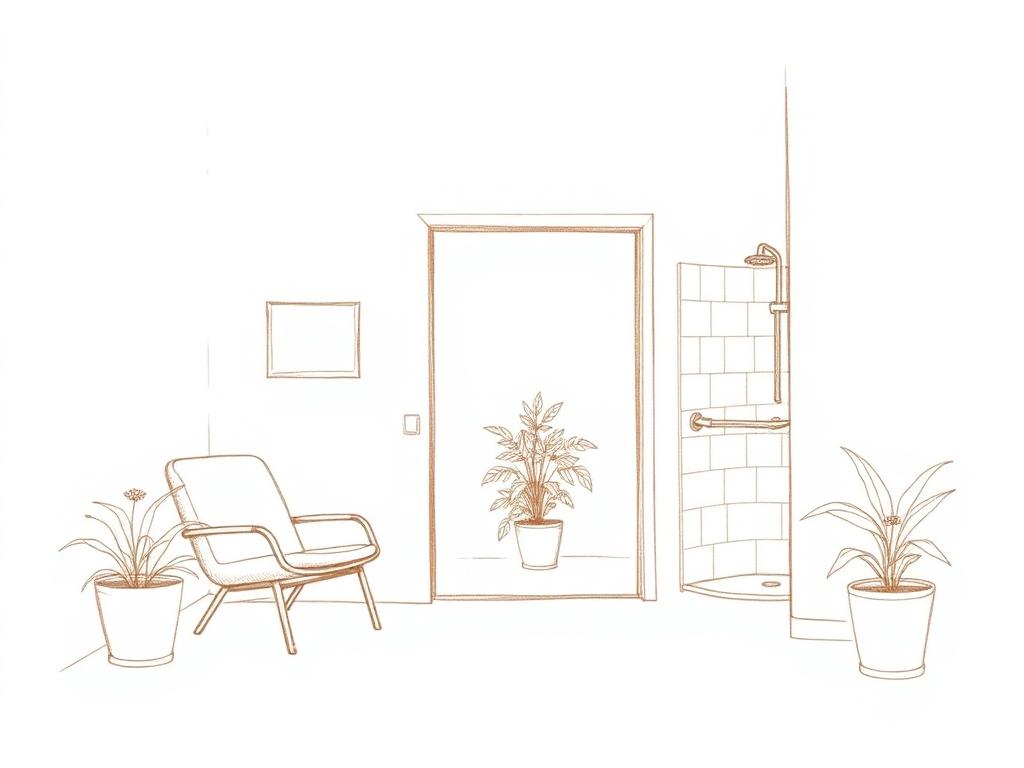
Retirement brings exciting opportunities—more time for hobbies, family, travel, and enjoying the comforts of home. It also presents an important question: Will your home continue to support your needs in the years ahead?
Many homeowners wait until mobility challenges arise before making modifications. However, thoughtful planning today can help you remain comfortable, independent, and safe for decades to come. This approach, often called "aging in place," focuses on creating a home that adapts to changing needs without sacrificing style or comfort.
What Does Aging in Place Mean?
Aging in place simply means living safely and comfortably in your own home as you grow older, rather than being forced to relocate due to accessibility or safety concerns.
Good design can make everyday tasks easier while reducing the risk of falls, injuries, and physical strain.
Start with Daily Activities
When planning for retirement, think about how you use your home every day: preparing meals, getting dressed, doing laundry, managing medications, working from home, and entertaining family and friends.
Designing spaces around these activities creates a home that works with you rather than against you.
Focus on Accessible Storage
One of the most overlooked aspects of aging-in-place design is storage. Traditional cabinets often require excessive bending, stretching, or climbing. As mobility changes, these everyday movements can become difficult.
**Pull-Out Shelves** bring contents directly to you, reducing the need to kneel or reach into deep cabinets.
**Full-Extension Drawers** provide better visibility and access than traditional shelves. They are especially useful in kitchens, bathrooms, and home offices.
**Adjustable Closet Systems** let your closet evolve with your lifestyle as clothing storage needs change.
**Easy-Reach Pantry Storage** keeps frequently used items between waist and shoulder height whenever possible.
Kitchen Design for Long-Term Living
The kitchen is often the most frequently used room in the home. A retirement-friendly kitchen may include wider walkways, drawer storage instead of lower cabinets, pull-out trash and recycling systems, easy-grip cabinet hardware, improved lighting, and countertop workspaces at comfortable heights.
These features not only improve accessibility but also make cooking more enjoyable.
Bathroom Safety Matters
Bathrooms are one of the most common locations for household injuries. Consider planning for curbless showers, built-in shower seating, grab bar reinforcement behind walls, non-slip flooring, comfort-height toilets, and better task lighting.
Many of these features can be incorporated into renovations without creating a clinical appearance.
Reduce Household Maintenance
Retirement often means spending less time maintaining the home and more time enjoying it. Smart storage solutions help reduce clutter and simplify cleaning—built-in organization systems, dedicated storage for seasonal items, garage cabinets, laundry room organization, and mudroom storage solutions.
An organized home requires less effort to maintain and creates a more relaxing environment.
Plan for Future Flexibility
The best aging-in-place designs don't look like accessibility modifications. Instead, they are thoughtfully planned spaces that provide flexibility for future needs. Features such as wider doorways, reinforced walls, and adaptable storage systems may not be noticeable today but can become invaluable later.
The Value of Planning Ahead
Designing a home for retirement isn't about preparing for limitations—it's about protecting your independence and quality of life. With thoughtful space planning, smart storage solutions, and accessible design, your home can continue to support the activities and lifestyle you enjoy for many years to come.
Ready to Plan Your Future Home?
Whether you're renovating a kitchen, updating closets, creating a more functional pantry, or improving storage throughout your home, thoughtful design today can help you enjoy greater comfort, safety, and independence tomorrow.